Material-Specific Abrasives
Abrasive Solutions
Matched to Every Material
Not all materials behave the same. We develop and manufacture abrasive systems tailored to the specific cutting, loading, and surface requirements of metal, wood, coatings, composites, plastics, and construction materials.
From abrasive jumbo rolls to converted sanding discs and belts, we ensure material-appropriate performance, batch-to-batch consistency, and predictable results—not one-for-all solutions.
Explore by MaterialMaterials We Support
Different materials respond differently to abrasive cutting. To ensure stable performance and predictable surface results, we classify supported materials by application behavior, not just by name.
Metal & Alloy Materials
Designed for cutting efficiency, heat control, and surface consistency on both ferrous and non-ferrous metals.
Typical materials include:
- Aluminium & Aluminium Alloys
- Carbon Steel / Ferrous Metals
- Stainless Steel
- Non-ferrous Metals
Common applications:
- • Stock removal and deburring
- • Surface preparation before coating
- • Intermediate and final finishing
Beyond Standard Materials
Some applications require special abrasive structures or process-specific solutions, such as:
For these cases, abrasive selection is based on material behavior, process conditions, and performance expectations — rather than generic material categories.
Material × Abrasive Recommendation Matrix
Selecting the right abrasive is not only about grit size. Material behavior, surface condition, and process stage all influence abrasive performance.
The matrix below shows typical material-to-abrasive matching principles based on common industrial applications.
Recommended Abrasive System by Material
| Material | Typical Application | Recommended Abrasive Type | Key Considerations |
|---|---|---|---|
| Metal & Alloy Materials | |||
| Aluminium / Aluminium Alloy | Grinding & finishing | Paper discs / Film discs | Anti-loading, heat control |
| Carbon Steel / Ferrous Metal | Stock removal / surface prep | Cloth belts | Cutting stability, durability |
| Stainless Steel | Finishing | Cloth belts / Film discs | Uniform scratch pattern |
| Wood & Wood-Based Materials | |||
| Hardwood | Surface preparation | Open-coat paper discs / Cloth belts | Grain control, reduced clogging |
| MDF / Particle Board | Pre-paint sanding | Paper discs | Consistent surface leveling |
| Coatings & Surface Layers | |||
| Automotive Paint & Clear Coat | Refinishing | Film discs / Mesh abrasives | Controlled scratch, low clogging |
| Old Paint / Old Lacquer | Removal & leveling | Paper discs / Film discs | Coating softness varies |
| Primer / Filler | Surface leveling | Film discs | Tear resistance, flat sanding |
| Composites & Plastics | |||
| Fiberglass / GRP | Composite sanding | Mesh abrasives | Dust extraction, fiber protection |
| Polyester / Gelcoat | Finishing | Film discs / Mesh abrasives | Heat sensitivity |
| Acrylic / Engineering Plastics | Surface correction | Film discs | Low pressure recommended |
| Construction & Mineral Materials | |||
| Concrete | Surface preparation | Heavy-duty paper / Cloth-backed abrasives | Abrasive wear resistance |
| Plaster / Plasterboard | Leveling | Paper discs | Soft material control |
| Stone / Marble | Finishing | Silicon Carbide Coated Abrasives | Surface consistency |
* Final selection may vary depending on machine type, pressure, and process conditions.
← Swipe to see full table →
How to Read This Matrix
This matrix reflects application-driven selection logic, not product marketing categories.
Material
Base material or surface layer being sanded
Typical Application
Most common processing stage
Recommended Abrasive
Proven abrasive structure for stable results
Key Considerations
Critical factors affecting performance and lifespan
Important Notes
- One material may require different abrasive systems at different stages
-
Improper matching may lead to: Premature loading · Excessive heat · Inconsistent surface finish
- For critical applications or high-volume use, material-specific testing is recommended
Typical Challenges by Material
Loading, heat generation, dust, surface damage, and inconsistent finish are not product issues — they are material-driven challenges.
Our abrasive systems are developed by starting from these challenges, not from generic specifications.
Aluminium & Soft Metals
Challenges
- • Abrasive loading and clogging
- • Excessive heat build-up
- • Rapid loss of cutting efficiency
Our Approach
- • Stearated coatings to reduce adhesion
- • Optimized grain spacing for heat control
- • Backing matched to pressure & machine
Result: Cleaner cutting, longer life, stable performance.
Paints, Clear Coats & Fillers
Challenges
- • Uneven scratch patterns
- • Rapid clogging on soft coatings
- • Surface tearing with unsuitable backings
Our Approach
- • Film backings for controlled sanding
- • Consistent grain distribution
- • Reduced coating build-up
Result: Predictable finish, reduced rework risk.
Composites & Fiberglass (GRP)
Challenges
- • High dust generation
- • Fiber tearing and surface damage
- • Operator fatigue during large-area work
Our Approach
- • Mesh structures for dust extraction
- • Low-pressure cutting behavior
- • Stable performance across surface
Result: Cleaner environment, smoother surfaces.
Wood & Wood-Based Materials
Challenges
- • Grain raising and uneven appearance
- • Clogging on resin-rich panels
- • Inconsistent finish between stages
Our Approach
- • Open-coat abrasive structures
- • Controlled cutting aggressiveness
- • Flexible backings for surface profile
Result: Uniform surfaces ready for finishing.
Construction & Mineral Materials
Challenges
- • Rapid abrasive wear on hard surfaces
- • Inconsistent material removal
- • High load on abrasive backing
Our Approach
- • Durable backing materials
- • Extended service life design
- • Stable cutting under high pressure
Result: Reliable performance on demanding surfaces.
Facing a Specific Challenge?
Every material behaves differently. Let's discuss your application and find the right abrasive solution.
Need Help with a Specific Material or Application?
If your application involves:
Our technical team can recommend a material-specific abrasive solution based on your process conditions.
Technical Support
Get expert recommendations based on your material, machine type, and surface requirements.
- Free material assessment
- Sample testing available
- Response within 24 hours
Quality Assurance
Consistency & Suitability Assurance
Stable abrasive performance is not achieved by inspection alone. It is the result of controlled manufacturing processes, repeatable material systems, and application-based validation.
Controlled Abrasive Jumbo Roll Manufacturing
Consistency starts at the jumbo roll level. By manufacturing our own abrasive jumbo rolls, we control critical factors such as grain distribution, backing selection, and coating behavior before conversion even begins.
This upstream control allows abrasive performance to be designed into the product, rather than corrected after defects appear.
In-House Conversion for Structural Integrity
All sanding discs and belts are converted in-house under controlled processes. Cutting accuracy, hole patterns, backing integrity, and bonding strength are maintained consistently across production runs.
By keeping conversion internal, we avoid variability introduced by external processing and ensure that each finished product reflects the original material design intent.
Application-Based Performance Validation
Laboratory specifications alone do not represent real sanding conditions. Our abrasive systems are validated through material-specific and application-driven testing.
Batch Repeatability & Long-Term Supply Stability
Every production batch follows defined process parameters to ensure repeatable performance. This enables stable abrasive behavior not only within a single order, but across multiple shipments and extended supply periods.
For our partners, this means fewer complaints, predictable results, and confidence in long-term cooperation.
OEM & Private Label
OEM / Private Label & Custom Matching
Building your own abrasive brand is more than putting a logo on a product. It requires stable performance, clear product positioning, and a supplier who understands how different materials and applications behave over time.
We support OEM and private label partners by working from application needs and market expectations, not from fixed, generic product templates.

Defined Performance, Not Guesswork
Different markets expect different performance balances — cutting speed, surface finish, lifespan, or cost control.
- Market-specific performance balancing
- Based on actual customer use
- Consistent and repeatable results
Series-Based Product Development
Successful private labels are built on product series, not single items. We support structured product ranges.
- Built on product series, not single items
- Structured grit progressions & backing types
- Coherent and scalable lineup

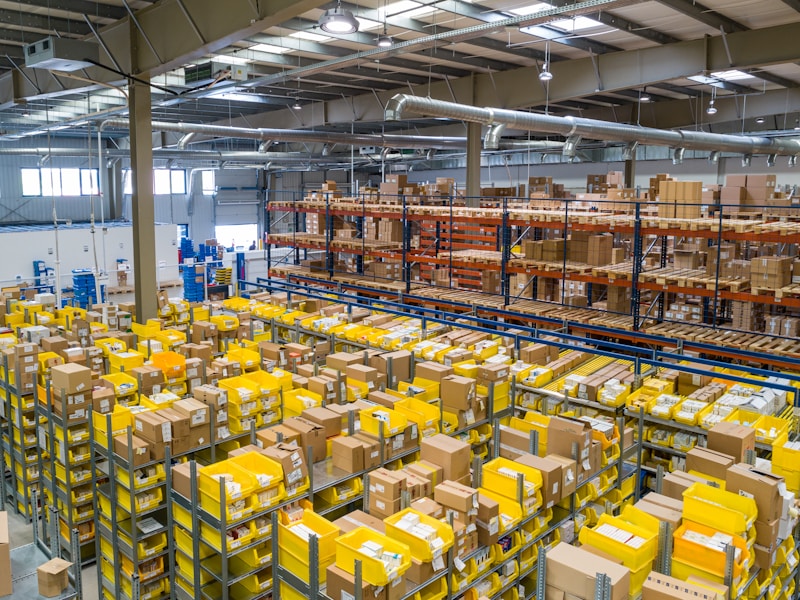
Stable Supply for Long-Term Cooperation
Our goal is to be a manufacturing partner you can plan around, not just a vendor you reorder from.
- In-house jumbo roll & conversion control
- Batch-to-batch consistency guaranteed
- Long-term availability, not one-off runs

100+
OEM Partners
Partnership Criteria
Is This the Right Fit?
Our OEM and private label solutions are best suited for partners who:
-
Value consistency and long-term cooperation
Not just one-off orders, but sustainable partnership
-
Aim to build or strengthen their own brand
We help you create a competitive product lineup
-
Need material-specific performance expertise
Technical support from application to production
Note: If you are looking for short-term pricing only, this may not be the right match — and that's perfectly fine. We focus on partners who value quality and consistency.
Application Support
Not Sure Which Abrasive Fits Your Material?
Different materials, equipment, and process conditions require different abrasive solutions. We can help match the right product to your actual application.
Let's Match the Right Abrasive to Your Application
You don't need to be an abrasive expert. Just share your application details — our technical team will help identify the right solution.
What You Can Tell Us
-
Material or surface type you're working on
-
Application stage (grinding / finishing)
-
Machine or sanding method used
-
Performance priority (finish / life / cost)
-
OEM / private label considerations (if any)
Who We Work With
Distributors, converters, OEM brands, and industrial users across different markets.
Discuss Your Application
Share your application details — our team will help clarify the rest.