Film Sanding Discs
Designed for sanding processes where surface uniformity and control matter more than cutting aggressiveness.

What Are Film Sanding Discs?
Film sanding discs are abrasive discs made with a polyester film (PET) backing rather than traditional paper backing.
The film backing provides a flatter and more dimensionally stable surface, which helps maintain more uniform contact between abrasive grains and the workpiece during sanding.
As a result, film sanding discs are commonly used in controlled finishing processes where surface appearance, scratch consistency, and process repeatability matter more than aggressive material removal.



Film vs Paper Sanding Discs
Understanding When Film Becomes the More Appropriate Choice
Rather than positioning film sanding discs as a universal upgrade, the difference between film-backed and paper-backed sanding discs lies primarily in process control and surface consistency, not cutting capability.
Below is a simplified comparison focused on decision-relevant factors, rather than feature lists.
Not sure which type fits your application?
How to Read This Comparison
Film sanding discs are not designed to replace paper sanding discs in all applications.
Paper Discs
Remain practical for:
-
General-purpose sanding
-
Heavy stock removal
-
Less controlled working conditions
Film Discs
The more appropriate option
-
Surface appearance is part of the final product value
-
Scratch consistency affects downstream processes (coating, polishing)
-
Sanding results need to be repeatable across operators and batches
Why Choose Film Sanding Discs
You typically choose film sanding discs when sanding results need to be controlled, consistent, and repeatable—not simply when faster material removal is required.
Compared with paper backing, a polyester film backing behaves more predictably during sanding, helping you manage surface finish with greater confidence.
PET Film Backing
Dimensionally Stable
Why Film Backing Makes Sense
More Uniform Surface Contact
Film backing remains flat under pressure, helping the abrasive grains engage the surface more evenly. This supports a more controlled sanding result, especially in finishing stages.
More Predictable Scratch Patterns
Because the backing deforms less during use, film sanding discs help keep scratch patterns consistent and easier to control from disc to disc.
Reduced Sensitivity to Humidity
Paper backing can soften or change behavior in humid conditions. Film backing maintains dimensional stability, helping sanding results remain consistent across different environments.
Greater Process Repeatability
When multiple operators or machines are involved, film backing helps reduce variation caused by pressure differences or minor setup changes—making sanding outcomes easier to standardize.
Better Control at Fine Grits
At finer grit ranges, backing stability becomes more critical. Film backing provides the support needed to maintain controlled abrasion without introducing random surface variation.
Consistent Performance Across Batches
Film-backed abrasives help limit variability not just during use, but across production runs—supporting more reliable, repeatable surface results over time.
Choosing film sanding discs is less about upgrading performance and more about reducing uncertainty in surface finishing.
If surface appearance, consistency, or process control matters in your sanding steps, film backing is often the more appropriate choice—even when it comes at a higher per-disc cost.
Product Overview — Film Sanding Discs
Our film sanding discs are designed to support controlled finishing processes, with specifications defined around consistency, stability, and compatibility, rather than maximum material removal.
Below is an overview of our film sanding disc capability range, intended to help you assess whether our series can match your existing specifications.
Standard diameters covering common orbital and finishing tools, with customization available for specific equipment requirements.
Hook & Loop and PSA (Pressure Sensitive Adhesive) options available.
Focused on fine to ultra-fine grits, supporting controlled surface finishing and preparation stages.
Multiple hole configurations available to match common dust extraction systems.
Compatible with standard random orbital and finishing sanders used in controlled sanding operations.
How to Use This Information
This overview is not intended as a complete SKU list. Instead, it defines the capability boundaries of our film sanding disc range—allowing you to quickly evaluate fit, replaceability, and OEM potential. Detailed specifications and application matching are typically confirmed based on your sanding process and equipment setup.
Typical Applications of Film Sanding Discs
Film sanding discs are not intended for every sanding task. They are most commonly used in finishing-oriented applications where surface control, appearance, and repeatability are part of the requirement.
Automotive Refinishing & Paint Preparation
Used in surface preparation stages such as primer leveling, clear coat scuffing, and refinishing prep, where scratch consistency directly affects final paint appearance. Film backing helps maintain controlled abrasion and reduces random scratch variation before coating.
Wood Finishing & Lacquer Sanding
Commonly used in sanding lacquered, sealed, or coated wood surfaces, where uneven scratch patterns can telegraph through the finish. Film sanding discs support smoother, more uniform surface preparation during fine and ultra-fine sanding stages.
Precision Metal Surface Finishing
Applied in finishing steps on metals where surface uniformity is required for visual appearance, coating adhesion, or further processing, rather than rapid material removal. Film backing helps maintain predictable surface results at finer grit ranges.

Plastic & Polymer Surface Preparation
Used on molded or formed plastic parts where backing stability helps avoid surface deformation, swirl marks, or inconsistent scratch depth. Film sanding discs allow for better control when working with softer or heat-sensitive materials.
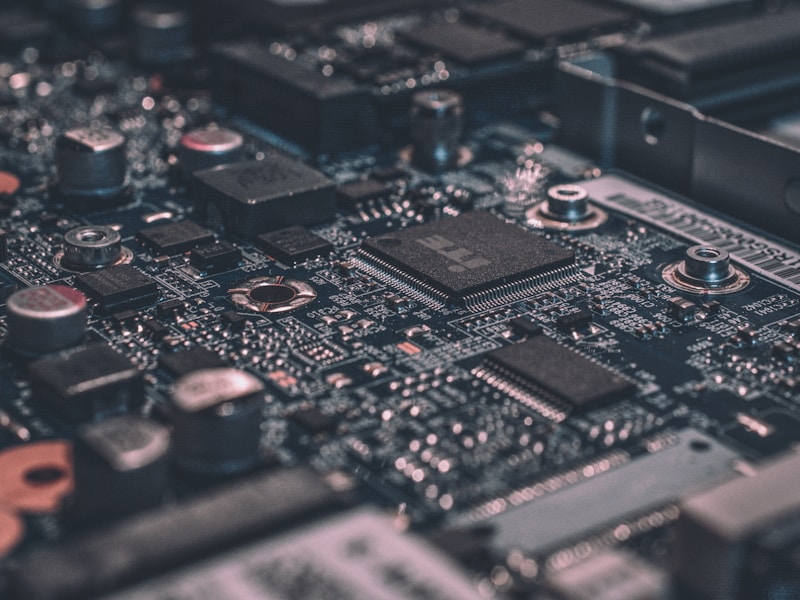
Consumer Electronics Housings
Applied in surface finishing of housings and enclosures where appearance consistency is part of product quality perception. Film-backed abrasives help support repeatable surface preparation prior to coating or cosmetic finishing.
Composite Materials & Technical Panels
Used in controlled finishing of composite surfaces where uniform scratch patterns and stable backing behavior are required to support consistent downstream processing. Film sanding discs help reduce variability when surface quality is specified.
Have a specific application in mind?
When Film Sanding Discs Are the Right Choice
Film sanding discs are not designed to replace paper sanding discs in every situation. They are a process-driven choice, best suited to specific sanding conditions. This section is intended to help you quickly assess whether film backing aligns with your sanding requirements.
Film Discs Are the Right Choice When
Surface consistency affects the final result
If sanding marks remain visible after finishing, coating, or painting, a more controlled and predictable scratch pattern becomes critical.
Your sanding process is defined and repeatable
Film backing performs best when sanding parameters—grit sequence, pressure, and machine type—are reasonably consistent.
Multiple operators or machines must deliver similar results
The dimensional stability of film backing helps reduce variation caused by operator technique or minor setup differences.
Humidity or moisture impacts paper-backed abrasives
In environments where paper backing behavior can change, film offers more stable and predictable performance.
Fine and ultra-fine grits are part of your standard process
At finer grit ranges, backing stability plays a greater role in surface control, making film a more reliable option.
Film Discs May Not Be the Best Choice When
Aggressive material removal is the priority
For heavy stock removal or rough sanding, paper-backed discs are often more cost-effective and appropriate.
Cost per disc is the primary decision factor
Film sanding discs typically carry a higher unit cost, which may not be justified in non-critical sanding stages.
Sanding conditions vary significantly
In highly variable processes with inconsistent pressure, tooling, or technique, the advantages of film backing are less pronounced.
Surface appearance is not a specification requirement
If the sanding step does not influence visible or functional surface quality, film backing may offer limited added value.
Not sure which backing fits your process? Contact us for a quick evaluation based on your application and requirements.
Quality Assurance
Consistency & Process Stability
How We Support Repeatable Sanding Results Over Time. When film sanding discs are selected, consistency is usually the main expectation—not just within a single batch, but across repeated orders and production runs.

In-House Film Backing & Coating Control
Film backing behavior is defined at the coating stage, not during conversion. By controlling film coating in-house, we reduce variability in backing tension, resin distribution, and abrasive grain anchoring—factors that directly influence scratch consistency and disc behavior during use.
Controlled Abrasive Grain Distribution
Uniform abrasive grain distribution is critical for maintaining consistent scratch patterns, especially at fine and ultra-fine grits. We focus on controlled coating parameters rather than maximizing cutting aggressiveness, helping ensure that film sanding discs behave consistently across discs and production lots.


Process-Driven Quality Monitoring
Rather than relying solely on final inspection, quality control is integrated throughout key production stages—coating, curing, and conversion. This process-based approach helps identify variation early, before it affects finished film sanding discs.
Batch Traceability & Production Records
Each production batch is traceable through defined manufacturing records, supporting long-term consistency and issue analysis when required. This structure allows performance feedback to be linked back to specific production conditions, rather than treated as isolated incidents.

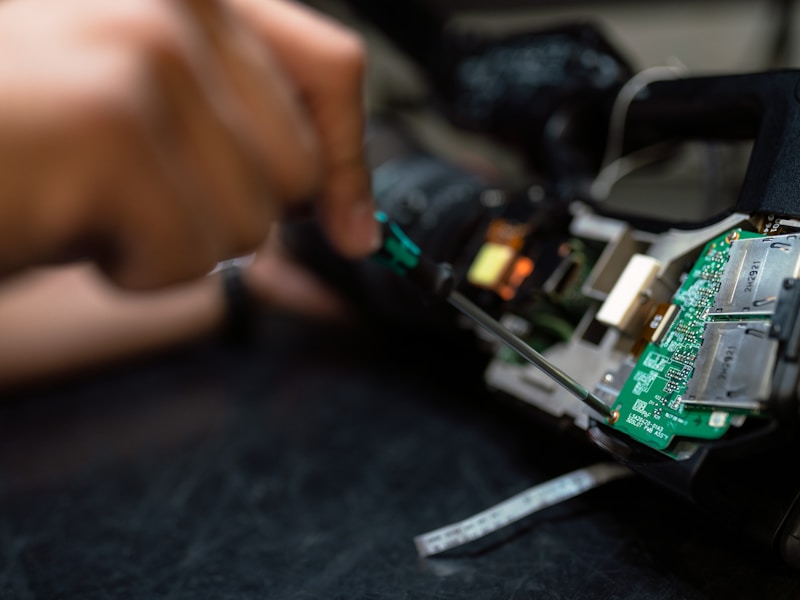
Stability-Focused Specification Management
Specifications for film sanding discs are managed with a focus on repeatability, not short-term optimization. Changes are controlled and evaluated for their impact on sanding behavior, helping avoid unnecessary variation introduced by frequent formulation adjustments.
Partnership Programs
OEM & Private Label
Built for Consistency, Not Short-Term Customization
Film sanding discs are often used in premium or specification-driven product lines
Where long-term consistency matters more than frequent changes. Our OEM and private label programs for film-backed sanding discs are structured to support stable, repeatable product definitions—rather than one-off customization projects.
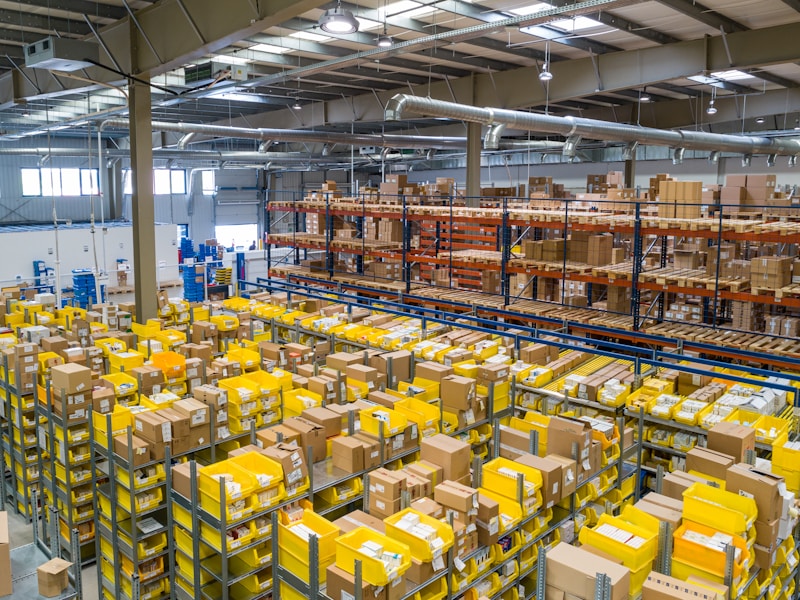
How Our OEM / Private Label Program Works
A structured approach designed for long-term consistency and reliable supply
Application-Defined Specifications
Film sanding disc specifications are defined based on your sanding process, equipment, and finish requirements—ensuring the product fits into your existing workflow.
Consistency-Focused Formulation
Once specifications are confirmed, formulations and process parameters are maintained with change control, helping avoid unnecessary variation over time.
Premium Line Supply
Our film sanding discs are commonly used in higher-end or consistency-critical product ranges, where predictable performance supports brand positioning.
Long-Term Cooperation
OEM projects are approached as ongoing supply programs, not short production runs—supporting repeat orders, market continuity, and product confidence.
Important to Know
Our OEM / private label program for film sanding discs is not designed for rapid or frequent specification changes.
If your priority is stable performance and long-term consistency, film backing is often a suitable foundation.
Looking for More Flexibility?
If frequent cost-driven adjustments are required, other abrasive formats may be more appropriate.
Explore Paper & Cloth OptionsCustomer Feedback
What Our Partners Say About Film Sanding Discs
Consistency-focused feedback from distributors, converters, and end users across industries
"We have been supplying film sanding discs from European brands for years, so consistency was our main concern when evaluating alternatives. What convinced us was not the first shipment, but the fact that the following batches performed the same. After multiple reorders, surface finish and sanding behavior have remained stable."

Marco R.
Managing Director, Automotive Refinishing Distributor
Southern Europe
"For film-backed abrasives, backing stability matters more to us than cutting speed. During slitting and punching, the film jumbo rolls showed very consistent behavior, without localized softness or tension variation. That consistency makes a real difference to our finished products."

Thomas M.
Technical Manager, Abrasives Conversion Factory
Germany
"We position film sanding discs as part of our premium range, so batch-to-batch variation is not acceptable. The key value for us is not aggressive performance, but long-term stability. So far, the product definition has remained consistent, which gives us confidence to keep promoting the same line."

Ahmed A.
Business Development Manager, Private Label Brand
Middle East
"In fine sanding stages, our priority is surface control rather than fast material removal. After switching to film sanding discs, the variation between different operators became noticeably smaller, and surface preparation before coating is more predictable."

James W.
Production Supervisor, Wood Finishing Manufacturer
United States
"We do not recommend film sanding discs to every customer—only where surface finish really matters. What we value most is that repeat orders perform the same as previous ones. Complaint rates have been low, and performance remains consistent after restocking."

Carlos M.
Procurement Manager, Industrial MRO Wholesaler
Latin America
"We have been supplying film sanding discs from European brands for years, so consistency was our main concern when evaluating alternatives. What convinced us was not the first shipment, but the fact that the following batches performed the same."
Marco R.
Managing Director, Automotive Refinishing Distributor
Southern Europe
"For film-backed abrasives, backing stability matters more to us than cutting speed. During slitting and punching, the film jumbo rolls showed very consistent behavior, without localized softness or tension variation."
Thomas M.
Technical Manager, Abrasives Conversion Factory
Germany
"We position film sanding discs as part of our premium range, so batch-to-batch variation is not acceptable. The key value for us is not aggressive performance, but long-term stability."
Ahmed A.
Business Development Manager, Private Label Brand
Middle East
Want to evaluate film sanding discs for your application?
Frequently Asked Questions
Film Sanding Discs — Common Questions Answered
Technical and practical questions from distributors, converters, and end users evaluating film-backed abrasives.
Submit Your Inquiry
Share your film sanding disc requirements — our team will review your application details and provide specification guidance within 24 hours.
Prefer to Discuss Directly?
If you already have film disc specifications or sample references ready, reach out to our team directly.
Why Choose Film Sanding Discs?
- Consistent surface finish
- Batch-to-batch repeatability
- Stable backing behavior
Within 24 hours on business days
Start Your Film Sanding Disc Project
Share your application details — our team will help clarify film disc specifications and provide technical guidance.