China Film Abrasives Manufacturer
Factory Direct Supply for Global Distributors

High-consistency film-backed abrasives for precision sanding, OEM, and long-term industrial supply.
Designed for automotive refinishing, industrial manufacturing, and conversion applications where surface control and batch stability matter.
-
Factory direct supply with stable batch-to-batch consistency
-
Film-backed sanding discs, sheets & rolls for wet and dry sanding
-
OEM & private label solutions for distributors and converters
-
Consistent quality designed to replace international brands
Fast response within 12-24 hours · Discuss price, MOQ & customization instantly
What We Manufacture & Support
Jump to the section that matters most to your application, technical requirements, or sourcing stage.
What Are Film Abrasives?
Film abrasives are coated abrasives that use a polyester film backing instead of traditional paper, designed for precision sanding applications where surface flatness and thickness consistency are critical. Compared with paper-backed abrasives, film backings offer significantly higher tear resistance, maintaining integrity under higher tension and more aggressive sanding conditions.
Unlike paper-backed abrasives, film-backed abrasives maintain uniform thickness across the entire sheet or disc, allowing for more controlled material removal and a more predictable surface finish.
Because of this, film abrasives are widely used in machine sanding, wet sanding, and finishing processes where repeatability and surface quality directly impact downstream operations.
Film abrasives are typically selected when process stability, surface control, and long-term consistency are more important than the lowest unit price.
Film Abrasives vs Paper & Mesh Abrasives
Choosing the right backing for your sanding application.
Different sanding applications require different abrasive backings. Film, paper, and mesh abrasives are designed to solve different process challenges, and choosing the right backing directly affects surface quality, efficiency, and consistency.
| Feature | Film Abrasives | Paper Abrasives | Mesh Abrasives |
|---|---|---|---|
| Backing Consistency | ★★★★★ | ★★☆☆☆ | ★★★☆☆ |
| Surface Flatness | Excellent | Moderate | Good |
| Thickness Variation | Very Low | High | Medium |
| Tear Resistance | ★★★★★ | ★★☆☆☆ | ★★★★☆ |
| Wet Sanding | Excellent | Limited | Good |
| Machine Sanding | Highly Stable | Limited | Good |
| Typical Applications | Precision finishing, OEM | General sanding | Dust-free sanding |
| Cost Level | Medium – High | Low | High |
When to choose Film Abrasives: Film abrasives are typically selected when surface quality, repeatability, and process control are more critical than the lowest initial cost.
Product Forms of Film Abrasives
Film abrasives can be converted into multiple sanding forms to match different sanding tools, processes, and surface control requirements. Below are the most common film abrasive forms used in industrial, automotive, and OEM sanding applications.

Film Sanding Discs
Film sanding discs are designed for machine sanding applications where consistent contact pressure and surface flatness are critical. They are commonly used with orbital sanders and random orbital sanders in controlled sanding processes.
Typical Uses
- Automotive refinishing and paint preparation
- Machine sanding in furniture and panel processing
- Industrial surface finishing requiring repeatable results
Common Specifications
When to Choose: Film sanding discs are typically selected when machine stability, surface uniformity, and finish consistency are more important than aggressive material removal.


Abrasive Grain Options for Film Abrasives
Different abrasive grains deliver different cutting behavior, durability, and process stability. Selecting the right grain type is critical to achieving consistent performance in film-backed sanding applications.

Ceramic Abrasives
Ceramic abrasive grains are designed for high-performance sanding applications that require aggressive cutting and long service life. Thanks to their self-sharpening behavior, ceramic grains maintain a consistent cutting edge throughout use.
Typical Use Cases
- Automotive refinishing and OEM sanding
- High-load machine sanding
- Stable and repeatable results

Zirconia Abrasives
Zirconia abrasive grains offer a balance between cutting power and durability, with excellent resistance to wear and heat. They are commonly used for metal sanding and industrial applications where longer lifespan matters.
Typical Use Cases
- Metalworking and heavy-duty sanding
- Industrial surface preparation
- Extended abrasive life applications

Aluminum Oxide Abrasives
Aluminum oxide abrasive grains are a versatile and cost-effective option for general sanding applications. They provide reliable performance across a wide range of materials for finishing processes.
Typical Use Cases
- General-purpose sanding
- Woodworking and light industrial finishing
- Cost-sensitive applications
Need help selecting the right grain type for your application?
Performance Comparison
Compare cutting behavior, durability, and cost across grain types.
| Feature | Ceramic | Zirconia | Aluminum Oxide |
|---|---|---|---|
| Cutting Aggressiveness | High | Medium – High | Medium |
| Durability | Very High | High | Medium |
| Heat Resistance | Excellent | Very Good | Good |
| Self-Sharpening Behavior | Limited | ||
| Typical Applications | Automotive, Precision sanding | Metalworking, Industrial sanding | General finishing |
| Relative Cost Level | High | Medium | Low |
Grain Selection Matters: In film-backed abrasive systems, grain selection directly affects cutting consistency, surface control, and process repeatability. Matching the abrasive grain to your specific application is essential for achieving stable, predictable sanding results over time.
Manufacturing & Batch Consistency Control
Key process controls that ensure stable performance in film-backed abrasives.

Film Backing Consistency Control
Film backing is the foundation of performance consistency in film abrasives. We control film thickness uniformity and mechanical stability at the raw material level.
This control prevents variation that can lead to uneven sanding results or surface waviness in precision applications.

Electrostatic Grain Coating Control
Uniform grain distribution is achieved through controlled electrostatic coating processes. By aligning grains in consistent orientation and density, we ensure stable cutting behavior.
This reduces localized over-cutting and supports repeatable surface finishes in machine sanding.
Resin Bonding & Curing Stability
The bonding system directly affects grain retention and durability. We apply controlled resin bonding and curing parameters to maintain consistent bond strength.
Stable curing ensures predictable performance under continuous sanding loads.
Form Conversion & Precision Cutting
Film abrasives are converted into discs, sheets, or rolls through controlled cutting and punching processes with dimensional accuracy.
This minimizes fit-related issues and performance variation during machine operation.
In-Process & Batch Verification
Consistency is verified through in-process inspections and batch-level performance checks. Key parameters are monitored throughout production.
This supports stable batch-to-batch supply rather than one-time product quality.
Film Backing Consistency Control
We control film thickness uniformity and mechanical stability at the raw material level.
This prevents variation that can lead to uneven sanding results.
Electrostatic Grain Coating Control
Uniform grain distribution achieved through controlled electrostatic coating processes.
This reduces localized over-cutting and supports repeatable finishes.
Resin Bonding & Curing Stability
Controlled resin bonding and curing parameters maintain consistent bond strength.
Stable curing ensures predictable performance under continuous loads.
Form Conversion & Precision Cutting
Controlled cutting and punching processes with dimensional accuracy.
This minimizes fit-related issues during machine operation.
In-Process & Batch Verification
In-process inspections and batch-level performance checks throughout production.
This supports stable batch-to-batch supply quality.
Batch-to-Batch Consistency Control
For conversion factories and OEM customers, consistency across production batches is often more critical than peak performance.
Our approach to batch-to-batch consistency focuses on preventing process drift through standardized controls, controlled inputs, and long-term performance tracking.

Standardized Process Windows
Consistency begins with defined and repeatable process boundaries. Key manufacturing steps are operated within validated process windows rather than being adjusted freely based on operator experience.
By maintaining controlled operating ranges at critical stages, we reduce variation caused by subjective adjustments and ensure that each batch is produced under comparable conditions. This approach minimizes short-term fluctuations and creates a stable foundation for repeatable abrasive performance.
Controlled Raw Material Sourcing
Raw material variation is a primary source of performance drift in coated abrasives. We apply controlled sourcing practices for critical inputs such as film backing, abrasive grains, and bonding systems to limit uncontrolled variability at the input stage.
Material changes are managed as defined events rather than routine substitutions, helping to maintain alignment between incoming materials and established process conditions. This reduces downstream instability that cannot be corrected through processing alone.

Historical Performance Tracking
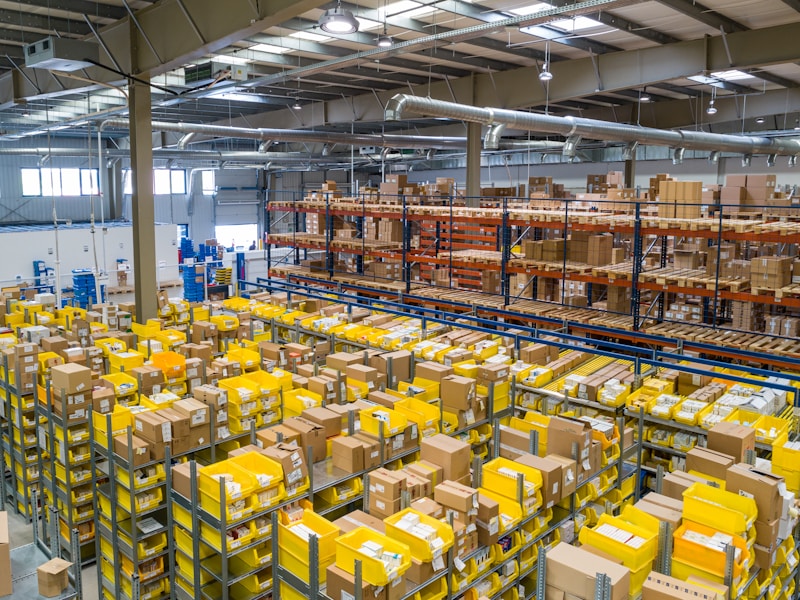
Batch consistency is not verified at a single point in time. We monitor performance trends across production batches to detect gradual shifts before they result in noticeable variation in sanding behavior.
By comparing current production data against historical baselines, potential drift can be identified early and addressed proactively rather than reactively. This long-term tracking supports stable supply over extended periods rather than isolated batch conformity.
Batch-to-batch consistency is achieved through repeatable systems, not one-time inspection. Our focus is on maintaining alignment over time, ensuring that performance remains predictable from one delivery to the next.
Applications & Industries
Film-backed abrasives are selected in applications where surface control, repeatability, and process stability directly impact finished quality and downstream operations.
Below are typical applications where film abrasives deliver clear functional advantages.

Automotive Refinishing & Collision Repair
In automotive refinishing, surface flatness and uniform scratch patterns are critical to paint appearance and rework prevention.
Film-backed abrasives provide consistent thickness and controlled cutting, reducing surface waviness during machine sanding and fine finishing stages.
3C Electronics Metal Surface Finishing
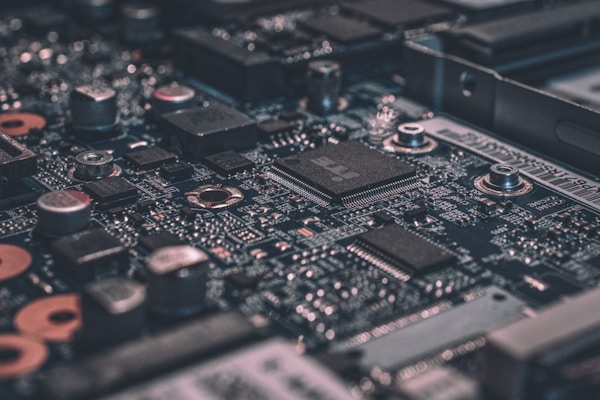
Consumer electronics housings and components demand flawless surface quality with minimal scratches and consistent finish appearance.
Film-backed abrasives deliver uniform scratch patterns and predictable material removal on aluminum, stainless steel, and other metal substrates used in smartphones, laptops, and wearable devices.
Furniture & Panel Manufacturing
Large flat surfaces and coated panels are highly sensitive to backing variation.
Film-backed abrasives help minimize uneven material removal and surface distortion, improving finish quality during intermediate and final sanding steps.
Composite Materials & Plastics
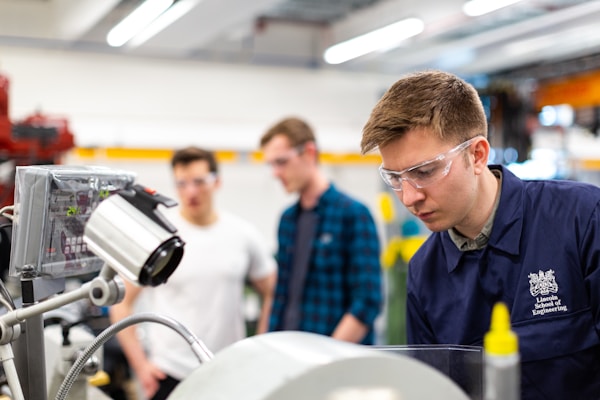
Composite and plastic substrates are prone to localized over-sanding and surface damage.
Film-backed abrasives offer controlled cutting and stable backing behavior, reducing the risk of inconsistent removal or edge deformation.
Conversion & Customized Sanding
Conversion applications require predictable backing behavior during cutting, punching, and secondary processing.
Film-backed abrasives provide dimensional stability and uniform performance, supporting reliable integration into customized formats.
Not Sure Which Product Fits Your Application?
Tell us about your sanding process and we'll recommend the right film abrasive specification for your needs.
OEM & Private Label Capability
Our OEM and private label solutions are designed for long-term, stable supply rather than one-time customization.
We work with distributors, converters, and brand owners who require consistent performance, controlled variation, and predictable manufacturing outcomes over time.

OEM Designed for Long-Term Cooperation
OEM for film abrasives is not simply about changing labels or packaging. It requires maintaining performance baselines while adapting product formats and specifications.
Our OEM approach focuses on building repeatable supply models that support long-term use, rather than short-term or experimental product changes.
Customization Within Controlled Boundaries
We support customization options that align with validated manufacturing conditions, ensuring that product consistency and process reliability are not compromised.
Supported OEM Customization Areas
Product Form & Dimensional Configuration
Customization is available for sanding discs, sheets, rolls, and die-cut formats to match specific tools, machines, and conversion requirements.
Abrasive Grain Selection
Grain type selection (such as ceramic, zirconia, or aluminum oxide) is aligned with the intended application, material type, and sanding process.
Backing & Attachment Systems
Backing configuration and attachment methods (e.g. hook & loop or PSA) can be adapted to suit different sanding equipment and operational preferences.
Private Label Packaging & Brand Presentation
OEM partners may apply private label branding and customized packaging formats designed for their target markets and distribution channels.

Stable
Process Control
What We Keep Stable?
In film abrasive manufacturing, not all variables should be freely adjusted. Certain core parameters are intentionally kept stable to protect performance consistency and batch-to-batch repeatability.
By maintaining controlled process baselines, we help OEM partners avoid unintended variation that can lead to inconsistent sanding behavior, customer complaints, or requalification risks.
Structured OEM Collaboration Process
OEM projects are handled through a clear and repeatable cooperation approach, rather than frequent ad-hoc changes during production.
Technical Alignment Before Sampling
Application requirements, product form, and performance expectations are clarified before samples are produced.
This reduces unnecessary revisions later and ensures alignment from the start.
"Clarity first, samples second."
Sample Validation Against Agreed Criteria
Samples are evaluated based on defined use conditions to confirm that performance aligns with intended applications.
Not just appearance or specifications, but actual functional performance.
"Tested for real use, not just specs."
Controlled Management of Future Changes
Any adjustments after approval are treated as managed changes to avoid unintended impact on consistency.
Protecting long-term performance and reducing requalification risks.
"Changes controlled, not random."
Technical Alignment Before Sampling
Application requirements, product form, and performance expectations are clarified before samples are produced.
"Clarity first, samples second."
Sample Validation Against Agreed Criteria
Samples are evaluated based on defined use conditions to confirm performance aligns with intended applications.
"Tested for real use, not just specs."
Controlled Management of Future Changes
Adjustments after approval are treated as managed changes to avoid unintended impact on consistency.
"Changes controlled, not random."
Quality Control & Traceability
Quality control is built into our daily production of film abrasives, with a focus on maintaining stable performance over continuous supply rather than one-time inspection results.
From material checks to in-process monitoring and final review, key quality controls are applied to ensure consistent sanding behavior across batches. Basic batch identification and traceability records are maintained to support quality discussions and long-term supply reliability.





Film Abrasives – FAQ
Common questions from international buyers about film abrasives — covering product selection, applications, OEM cooperation, and quality control.
Send Your Requirements
Our team will review your application details and provide technical feedback — no obligation, no minimum quantity at this stage.
Prefer to Discuss Directly?
If you already have technical details ready, reach out to our team directly.
Within 24 hours on business days
Start the Conversation
Share your application details — our team will help clarify the rest.