China Cloth Abrasive Factory
Durability · Strength · Stable Performance Under Pressure
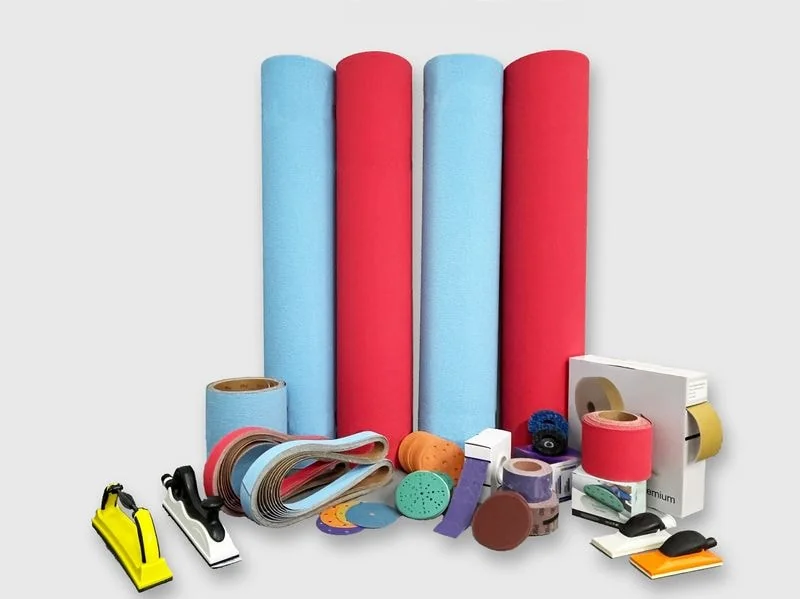
We manufacture cloth-backed abrasives for heavy-duty grinding applications where durability, strength, and stable performance under pressure matter.
Key Capabilities for Industrial Use
-
High Tensile Strength
-
Stable Performance Under Pressure
-
Heat & Load Resistance
-
Built for Belts & Flap Discs
Fast response within 12-24 hours · Discuss price, MOQ & customization instantly
What We Manufacture & Support
Jump to the section relevant to your abrasive sourcing needs.
Cloth Abrasive Product Forms
Cloth-backed abrasives are selected for applications where strength, durability, and resistance to heavy load are required.
Our cloth abrasives are manufactured specifically for industrial grinding products that operate under continuous pressure.

Abrasive Belts
Abrasive belts are the primary form of cloth abrasives for industrial grinding. They are used in applications where high tension, continuous operation, and aggressive material removal place constant stress on the backing.
Our cloth abrasive belts are produced for:
- Metal fabrication and processing
- Stainless steel and carbon steel grinding
- Weld seam removal and surface conditioning
The focus is on backing strength and stable performance, allowing belts to run reliably without tearing or premature failure.
Flap Discs
Flap discs are another major application of cloth abrasives, combining cutting performance with durability under angle grinding. They are widely used in fabrication and finishing work where both material removal and surface control are required.
Cloth-backed flap discs are chosen when:
- Paper-backed products cannot withstand grinding pressure
- Consistent cutting is needed throughout the disc life
- Durability is critical for operator safety and efficiency
Stable cloth backing helps maintain disc integrity during use, even under demanding grinding conditions.

Both abrasive belts and flap discs are developed with industrial workloads in mind, not light-duty or occasional use.
Backing strength, coating durability, and repeatability are considered together to support long-term, high-demand applications.
Built for Pressure, Not Light Duty
Cloth-backed abrasives are chosen when grinding conditions exceed what paper can handle. Designed for high pressure, continuous operation, and demanding industrial use where backing failure is not an option.
-
Higher mechanical strength under tension
-
Better resistance to tearing and edge failure
-
Stable performance during long grinding cycles

Cloth vs Paper & Film Abrasives
Different abrasive backings are designed for very different working conditions. Cloth, paper, and film are not interchangeable, especially in industrial grinding where load, tension, and operating time are critical.
The comparison below focuses on real industrial use, not laboratory performance.
| Comparison Factor |
Cloth Abrasives
|
Paper Abrasives | Film Abrasives |
|---|---|---|---|
| Backing Strength |
Very High
Designed for heavy load |
Low to medium | Medium |
| Tensile Resistance |
Excellent
Suitable for belt tension |
Limited | Limited |
| Resistance to Tearing | High | Low | Medium |
| Performance Under Pressure |
Stable
During heavy grinding |
Drops quickly | Stable only at low pressure |
| Continuous Operation |
Well Suited
Long grinding cycles |
Not recommended | Limited |
| Typical Product Forms | Belts, flap discs | Discs, sheets, rolls | Discs, precision sheets |
| Primary Applications | Industrial metal grinding | General-purpose sanding | Precision finishing |
| Failure Risk in Heavy Use | Low | High | Medium |
| Cost Positioning | High | Low | Medium to high |
| Main Selection Reason | Durability & reliability | Cost efficiency | Dimensional stability |
Cloth Abrasives
Durability & reliability
Paper Abrasives
Cost efficiency
Film Abrasives
Dimensional stability
Cloth abrasives are selected when grinding conditions place continuous stress on the backing — belt tension, heavy pressure, or long duty cycles. Paper abrasives suit light to medium sanding where flexibility and cost are priorities. Film abrasives are chosen for precision finishing, not heavy material removal.
In industrial grinding, choosing the wrong backing often leads to premature failure, downtime, and safety risks — not just reduced performance.
Backing Strength & Characteristics
In cloth-backed abrasives, performance starts with mechanical strength, not cutting grain. The backing must withstand tension, pressure, and continuous operation without tearing, stretching, or losing integrity.
This is why cloth abrasives are used in belts and flap discs, where backing failure leads not only to reduced performance, but also to downtime and safety risks.
High Tensile Strength
Cloth backings are designed to handle constant tension, especially in abrasive belt applications. Stable tensile strength allows belts to run under load without stretching or breaking during continuous grinding.
Resistance to Tearing and Edge Failure
Under heavy grinding pressure, weak backings tend to tear from edges or joints. Cloth backings provide improved resistance to tearing, helping belts and flap discs maintain structural integrity throughout their service life.
Dimensional Stability During Use
In industrial grinding, backing deformation leads to unstable contact and uneven grinding results. Cloth backings help maintain shape under pressure, supporting more predictable grinding behavior during long cycles.
Compatibility with Heavy Coating Systems
Cloth backings are suitable for abrasive systems that require stronger bonding and higher coating durability. This allows abrasive grains to remain attached under heavy load instead of shedding prematurely.
Designed for Continuous Industrial Operation
Cloth abrasives are not intended for intermittent or light-duty sanding. They are built for repeated, high-load use, where consistent performance over time is more important than initial cutting speed.
Abrasive Grain Options for Cloth Abrasives
In cloth-backed abrasives, grain selection must match load, pressure, and service life requirements. The grains below are commonly used for cloth abrasives designed for belts and flap discs in industrial grinding.
 Heavy-Duty Choice
Ceramic Grain
For high-pressure and long grinding cycles
Selected when long service life and stable performance under load are more important than initial cost.
 Balanced Performance
Zirconia Alumina
Balanced choice for industrial grinding
Provides a balance between performance, durability, and cost for many industrial cloth abrasive programs.
 Cost-Effective
Aluminum Oxide
For lighter-duty and general grinding tasks
Typically selected for general metal work or intermittent grinding, rather than continuous heavy-duty use.
In cloth abrasives, performance is defined by how well the grain works with the strength and behavior of the cloth backing.
For heavy industrial grinding, ceramic and zirconia are the primary choices, while aluminum oxide is used for lighter-duty applications.
Consistency You Can Rely On
In industrial grinding, cloth abrasives fail not because of grit choice, but because backing strength and coating behavior are not consistent. Our manufacturing is built around one priority: making sure abrasive belts and flap discs perform the same way under load, batch after batch.
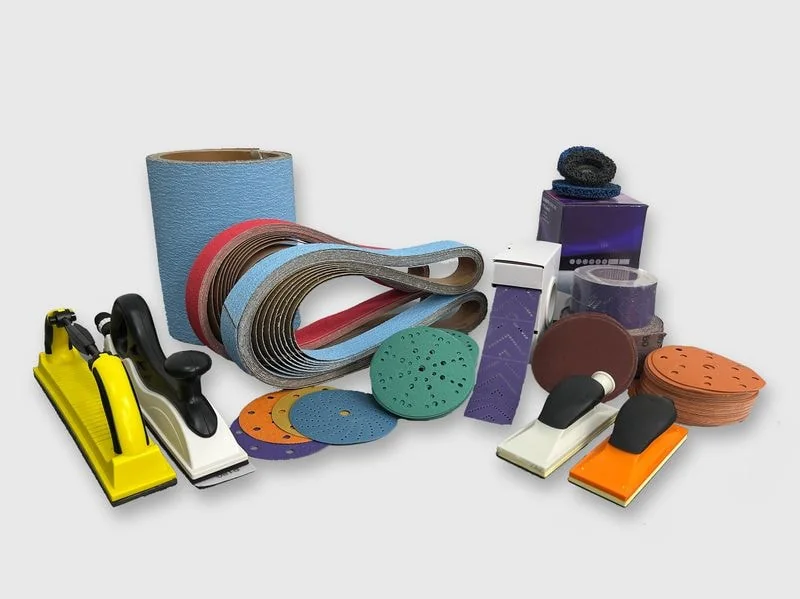
Backing Strength Control
Consistent tensile performance
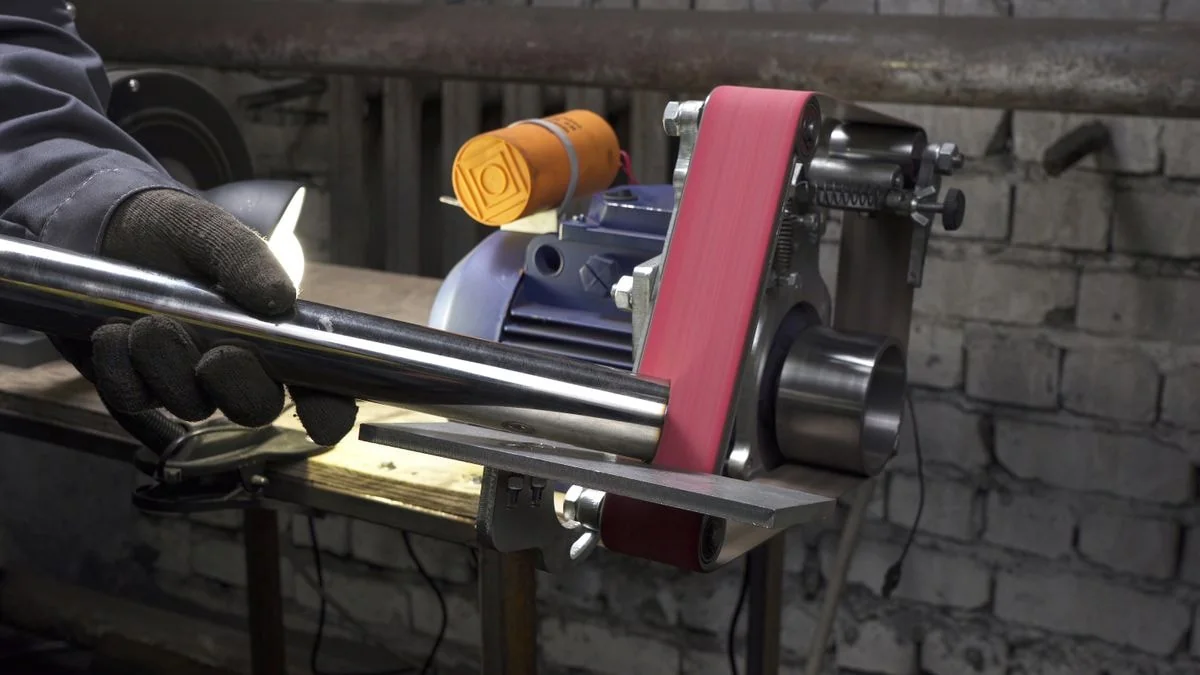
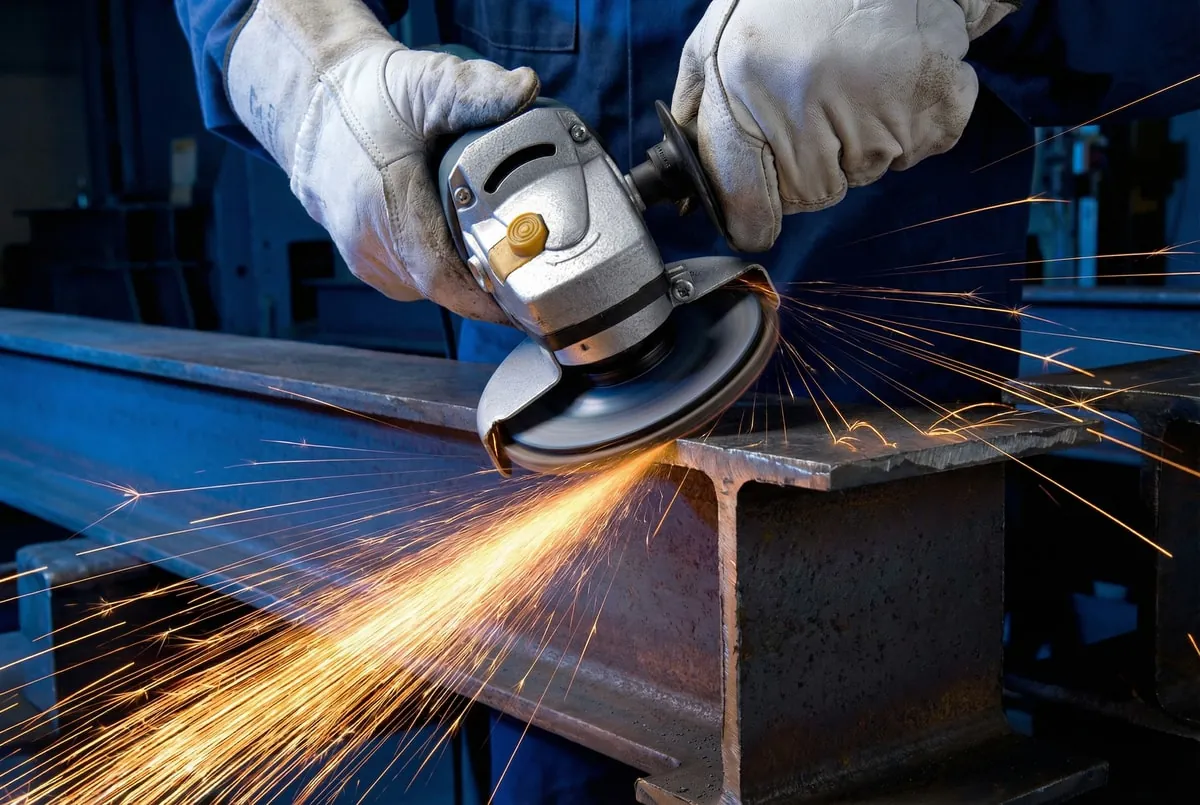
Heavy-Duty Industrial Applications
Cloth abrasives are used in industrial grinding environments where strength, durability, and resistance to continuous load are required. They are commonly applied in the following heavy-duty applications.

Metal Fabrication & Processing
Used for grinding structural steel, plates, and fabricated components where abrasive belts and flap discs operate under continuous pressure.

Stainless Steel Grinding
Applied in stainless steel processing for weld removal, surface leveling, and preparation, where high load and heat resistance are critical.

Weld Seam Removal
Commonly used to remove weld seams and excess material in fabrication lines, requiring stable cutting performance and backing strength.

Heavy Stock Removal
Selected for aggressive material removal tasks where paper-backed abrasives cannot withstand grinding pressure or service life demands.

Foundry & Casting Cleaning
Used for cleaning castings and removing scale or excess material, where abrasive durability and resistance to tearing are essential.

Industrial Belt Grinding
Applied in belt grinding machines operating under high tension and long cycles, where backing failure directly affects production uptime.
Across these applications, cloth abrasives are chosen for their ability to perform reliably under load, heat, and continuous industrial use.
Built for Long-Term Industrial Cooperation
Cloth abrasives are rarely purchased as one-off items. They are usually part of long-term grinding programs, where belts and flap discs must perform consistently under defined working conditions. For OEM and conversion partners, the challenge is not producing the first batch — it is keeping backing strength, coating behavior, and grinding performance stable as volumes increase and orders repeat.

Built for Project-Based Supply
Our cloth abrasives are developed with project continuity in mind. Specifications are defined to support repeat production, allowing abrasive belts and flap discs to be supplied as part of ongoing industrial programs rather than isolated orders.
This approach helps reduce requalification work and performance uncertainty once the product is approved.
Conversion-Focused Manufacturing
Cloth abrasive materials are produced to support downstream conversion into belts and flap discs without compromising backing integrity. Stable cloth behavior under tension and pressure helps conversion partners maintain consistent product performance after processing.
This is especially important for belt joints, flap assembly, and applications where backing failure creates immediate risk.


Support for Long-Term Industrial Cooperation
OEM and conversion cooperation is treated as a long-term supply relationship, not a short production run.
Manufacturing consistency allows you to plan inventory, production schedules, and customer commitments with greater confidence.
Quality Control Built for Industrial Reliability
For cloth abrasives used in belts and flap discs, quality issues usually show up under load: tearing, grain shedding, unstable service life, or performance drift between batches. Our quality control is built around the points that most directly affect industrial grinding reliability.
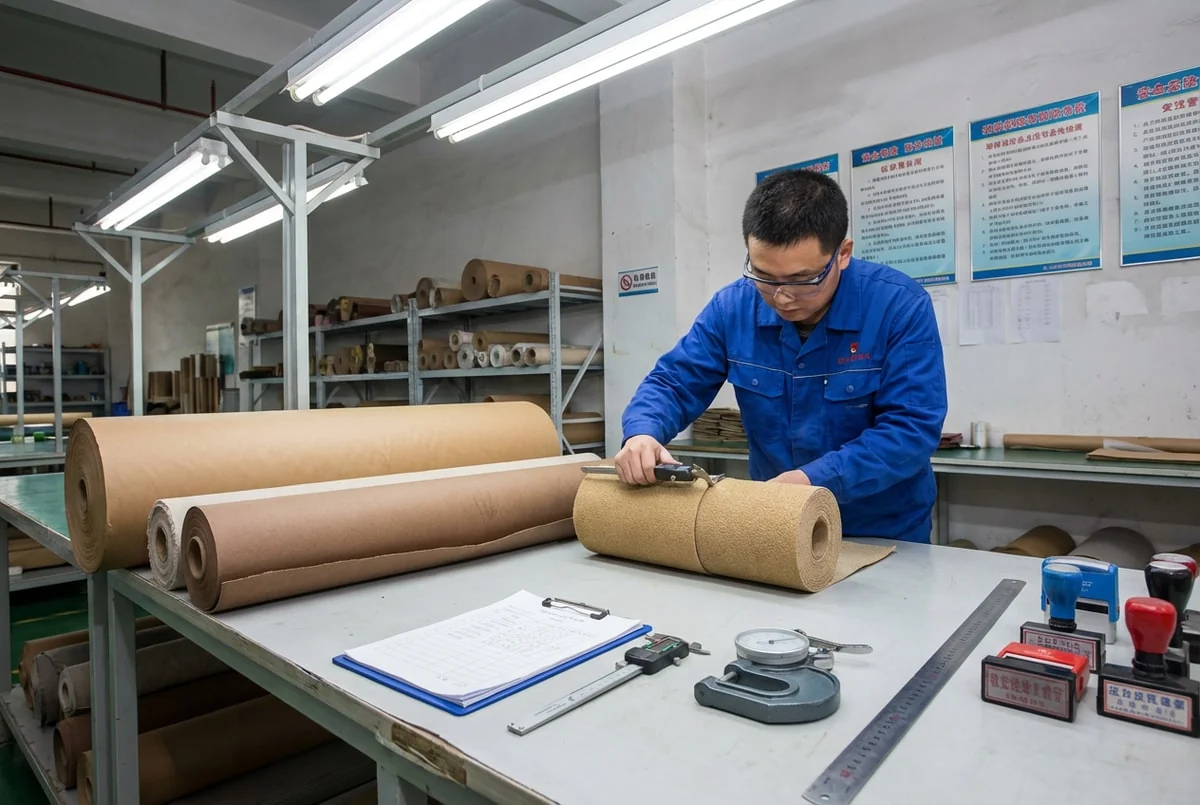
Incoming Material Verification
Before production runs, backing materials and key inputs are checked to avoid variation entering the process from the start.
This is especially important for cloth abrasives, where backing behavior under tension affects belt and flap disc reliability.
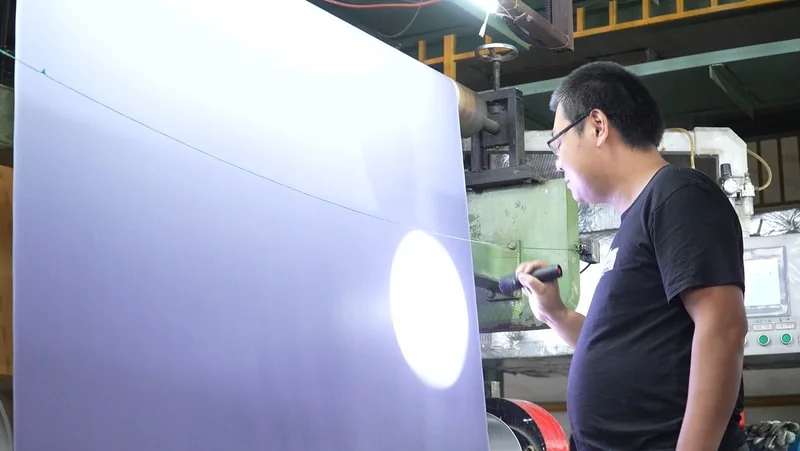
Coating & Production In-Process Checks
Quality control is not limited to final inspection. Checks are applied during coating and production to keep performance stable.
Issues such as uneven coating behavior or weak bonding cannot be corrected after conversion.
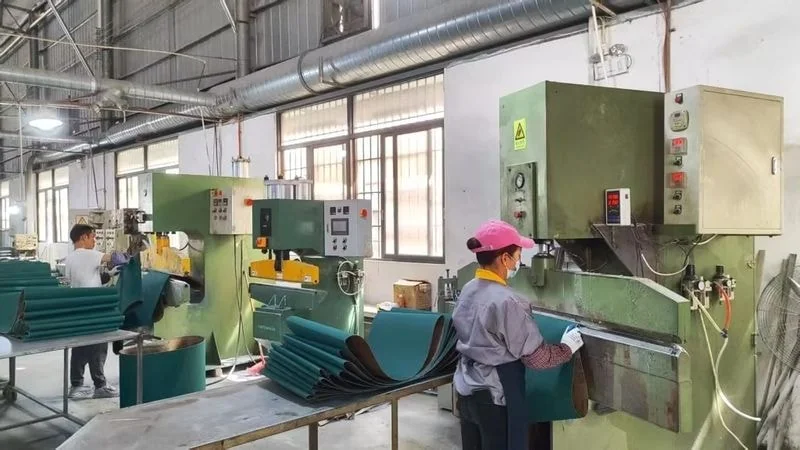
Conversion Control for Belts & Flap Discs
Conversion can introduce variability if it is not controlled. During belt and flap disc processing, control points are used to reduce risks.
This prevents field complaints such as premature failure, unstable grinding feel, or inconsistent product behavior.
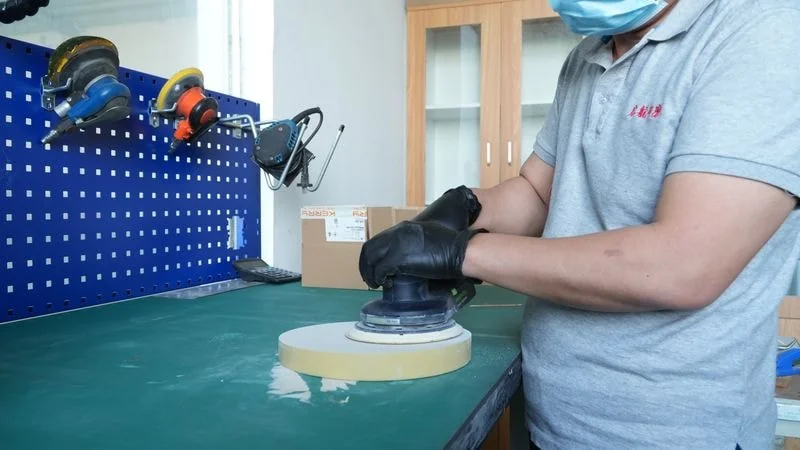
Finished Product Inspection
Finished belts and flap discs are inspected before packing to confirm they match the defined product expectations for industrial use.
This step helps catch visible and functional issues before shipment rather than after the product reaches your production line.
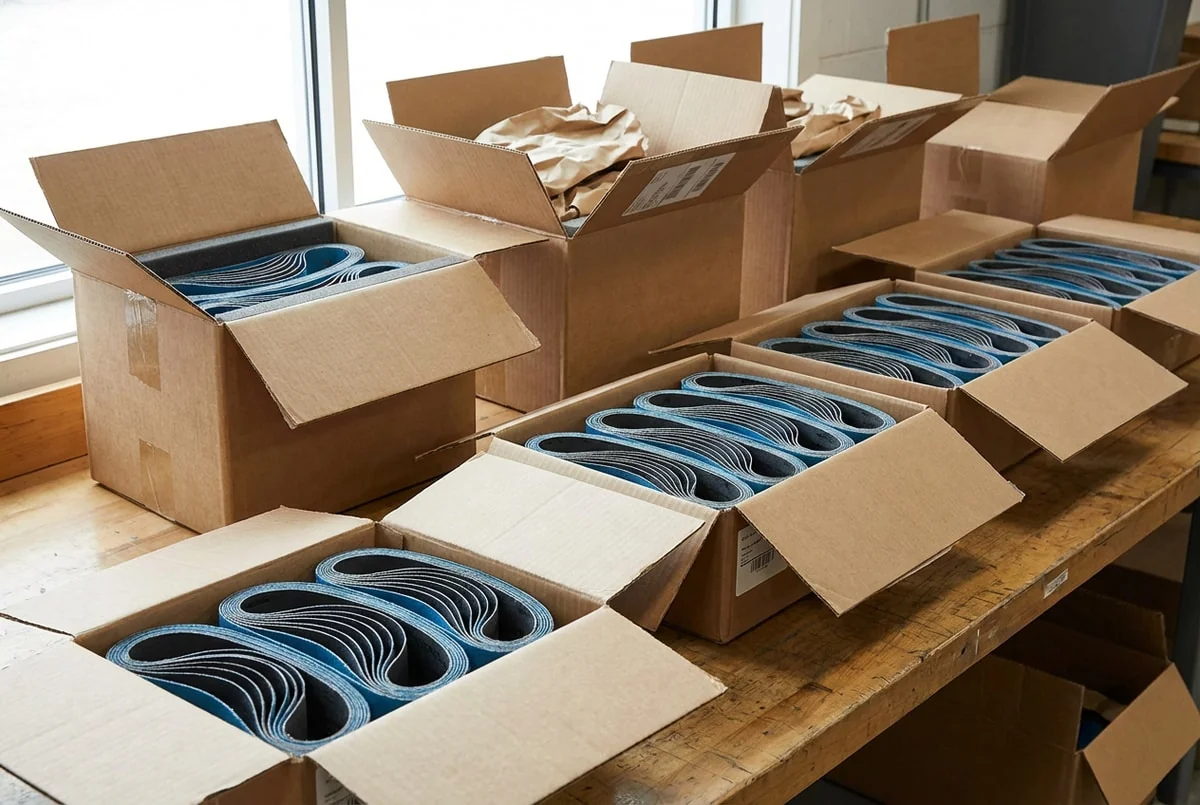
Batch Identification & Traceability
Each batch is identified and recorded to support repeat orders and long-term programs.
When feedback occurs, traceability makes it possible to review what was produced and keep future shipments consistent.
Cloth Abrasives – Product FAQ
Common questions from industrial buyers about cloth abrasive selection, performance, and manufacturing consistency.
Have a question not listed here? We're happy to help.
Discuss Your Cloth Abrasives Requirements
Share your application details and we'll provide feedback on backing options, grain selection, and manufacturing capabilities — no obligation at this stage.
Prefer to Talk Directly?
If you have specifications ready or want to discuss cloth abrasives for belts and flap discs, reach out to our team.
Within 24 hours on business days
Tell Us What You Need
Describe your cloth abrasives application — we'll follow up with backing options, grain recommendations, and manufacturing support.